What is an ACH Payment? How it Works

- 7 min read
- 1,530 words
- 8 sections
On this page
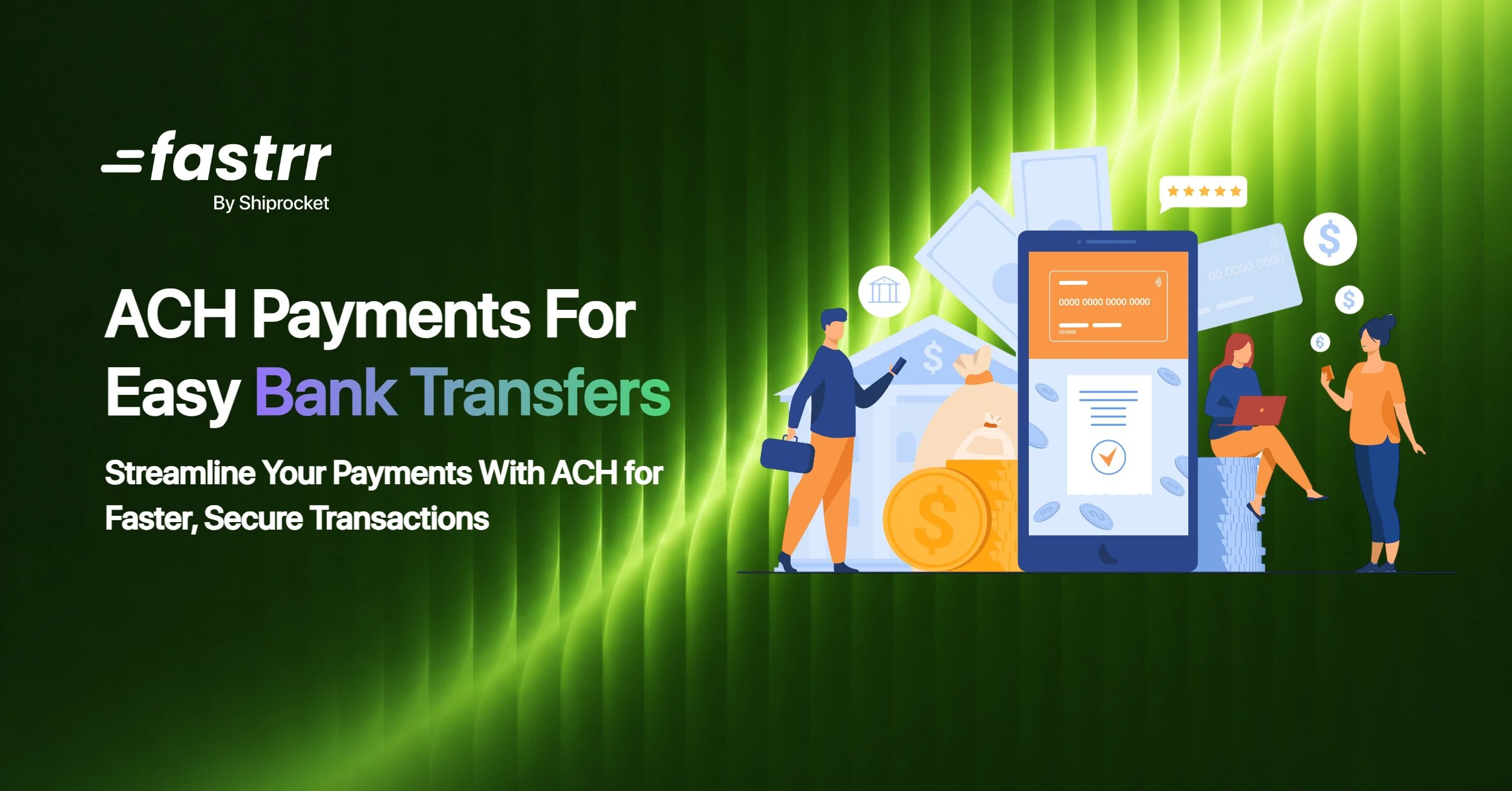
For sellers in growing cities and towns, managing payments can take up a lot of time. Waiting for cheques to clear, following up on bank transfers or manually tracking payments can slow down your business. Delays can lead to late supplier payments, stockouts or missed growth opportunities.
ACH payments solve this problem by automatically and safely sending money directly to your bank account. In the third quarter of 2025, the ACH Network handled 8.8 billion payments totalling $23.2 trillion, with business-to-business payments growing 10% year over year. Same-Day ACH payments also increased by 9.2%, indicating that more businesses are using fast, reliable electronic transfers.
For sellers, this means quicker access to money, smoother operations and more time to focus on selling and growing your business, without worrying about cheques or manual payments.
How Do ACH Payments Function?
ACH payments move money electronically between bank accounts through a secure network. Unlike cheques or manual transfers, ACH is automatic, fast and reliable. Here’s how it works for sellers:
- Authorisation and Setup: Your customer shares their bank details and agrees to pay you electronically.
- Payment Initiation:
- ACH Credit (Push): The payer’s bank sends money directly to your account, like for payroll or one-time payments.
- ACH Debit (Pull): You or your business can collect money automatically from the customer’s account, like for recurring payments or subscriptions.
- Batch Processing: The ACH network groups multiple payments together and sends them to the receiving banks.
- Settlement and Posting: The receiving bank deposits the money into your account. Standard ACH payments usually take 1-2 business days, while Same Day ACH options are faster.
- Confirmation: Both you and your customer receive transaction details for record-keeping.
For sellers, this means faster payments, fewer errors and less manual work, helping you manage cash flow better and focus on growing your business.
What Are the Different Types of ACH Transactions?
There are two main types of ACH payments, which make it easier for sellers to receive and manage money:
- ACH Credit (Push Payments):
- Money is sent from the payer’s account to your account.
- Common uses for sellers include customer payments for orders, vendor payments, refunds and payroll for your staff.
- You initiate this when you request a payment from a business or customer.
- ACH Debit (Pull Payments):
- Money is debited from the customer’s account after they authorise it.
- Common uses: recurring payments, subscriptions or automatic bill collections.
- This works well for sellers who want automated payments without having to chase customers.
Processing Times:
- Standard ACH payments usually take 1-2 business days.
- Same Day ACH is faster, enabling funds to arrive within hours rather than days, helping sellers manage cash flow more efficiently.
For sellers, knowing these two types helps you choose the right method to get paid quickly, reduce errors and simplify operations, whether you are collecting one-time payments or recurring amounts.
Who Mostly Uses ACH Payments?
ACH payments are increasingly used by businesses that want faster, safer and cheaper ways to move money. Here’s how different types of sellers benefit in real life:
- Online sellers: Imagine you run a small apparel store selling through a marketplace. With ACH, when a customer places an order, the payment goes directly into your bank account, so you don’t have to wait for a cheque to clear. This helps you restock popular items faster and ship orders on time.
- Small businesses: A local electronics shop paying multiple vendors can use ACH to transfer money quickly and securely, without handling cash or writing various cheques. This reduces errors, prevents missed payments and keeps supplier relationships smooth.
- Subscription-based services: Think of a local gym or online learning platform. ACH allows you to collect recurring payments automatically from members or students every month, so you don’t have to remind each customer or chase payments manually.
- Marketplaces and B2B sellers: If you sell raw materials to other businesses, ACH lets you automatically reconcile payments. For example, you can see which clients have paid and which haven’t, saving hours of manual tracking and reducing mistakes in your accounts.
For sellers in growing cities and towns, ACH makes day-to-day transactions simpler, faster and more reliable, helping you manage cash flow and focus on growing your business.
How Do ACH Payments Benefit Businesses?
ACH payments offer several advantages for sellers, helping you save time, reduce costs and manage cash flow efficiently:
- Faster payments: Money goes directly into your bank account within 1–2 business days. For example, if a customer orders products from your online store, you don’t have to wait for a cheque to clear before shipping.
- Cost-effective: ACH fees are lower than card or cheque payments, saving you money, especially if you handle many transactions each month. This is ideal for small shops and online sellers looking to keep costs low.
- Secure: Electronic transfers reduce the risk of lost cheques or cash and provide a digital record for every transaction, making your business safer and easier to audit.
- Easy tracking: ACH payments generate electronic records automatically, simplifying accounting, bookkeeping and reconciliation. For instance, you can quickly match payments received to orders without manual work.
- Better cash flow: With predictable, automated payments, you can manage working capital more effectively. Subscription services or recurring vendor payments arrive on time, helping you plan purchases, stock and payroll without stress.
- Improved customer experience: Customers can pay quickly and securely from their bank accounts, making it easier for them to complete orders, subscribe to services or make repeat purchases. This reduces friction and encourages loyalty.
Example: A small online store selling handcrafted goods can use ACH to automatically collect payments from regular customers, pay suppliers instantly and track transactions without spending hours on manual reconciliation. This frees up time to focus on growing the business.
What Is the Difference Between ACH Payments and Bank Transfers?
While both ACH payments and regular bank transfers move money between accounts, they differ in speed, cost, automation and typical use cases. The table below highlights these key differences for sellers:
| Feature | ACH Payments | Bank Transfers |
| Speed | Usually 1-2 business days | Can be instant or same-day depending on the bank |
| Cost | Low fees, making it ideal for frequent or recurring payments | Higher fees for instant transfers, which can add up for multiple transactions |
| Automation | Fully automated; supports recurring payments like subscriptions or vendor payouts | Manual for each transaction, requiring extra time and effort |
| Security | High; processed through a monitored network with built-in protections | Depends on individual bank processes; may require manual checks |
| Use Case | Routine customer payments, subscription collections, vendor payouts | One-time or urgent transfers, large ad-hoc payments |
Why this matters for sellers:
- If you run a small online store or a subscription service, ACH is more cost-effective and convenient for routine payments.
- For urgent or one-off payments, bank transfers may be faster, but they are usually more expensive and require manual handling.
- ACH also provides a digital record of every transaction, simplifying accounting and reconciliation.
Example: If you sell handmade goods online and pay suppliers every week, ACH lets you automatically transfer funds while keeping track of all payments, unlike bank transfers, where you’d need to initiate each payment manually.
Access Multiple Payment Options and Data-Driven Insights with Shiprocket Checkout
Shiprocket Checkout enables sellers to accept ACH payments securely and directly into their bank accounts, removing the need for cheques or manual bank transfers. With coverage across 19,000+ unique pincodes, you can reach more customers efficiently, even in smaller cities and ensure timely payment collection.
The platform also provides real-time transaction tracking and detailed insights. You can monitor customer payment patterns, spot recurring delays and identify high-performing products or regions. These insights help you plan inventory, manage cash flow and optimise operations, reducing errors and saving time.
For example, if recurring payments from customers or vendors are often delayed, you can proactively adjust reminders or plan shipments accordingly to ensure smoother business operations.
Conclusion
ACH payments are more than just a faster way to receive money; they streamline your entire payment process. For sellers, this means fewer errors, better cash flow and predictable revenue from recurring payments. When combined with tools like Shiprocket Checkout, you gain full visibility into transactions, customer behaviour and payment trends, allowing you to make smarter business decisions.
By adopting ACH, you can focus on growing your business, expanding into new pin codes and serving customers efficiently, rather than spending time chasing payments. In essence, ACH empowers you to work smarter, reduce operational stress and scale your business confidently.
Frequently asked questions
Can ACH payments help improve cash flow forecasting?
Yes. Since ACH payments are automated and trackable, you can predict incoming funds more accurately and plan inventory or expenses accordingly.
Are there limits on ACH transactions for businesses?
Yes. Banks or payment platforms may set daily or monthly transaction limits that vary by account type or business volume.
Can ACH payments reduce payment errors for vendors or suppliers?
Yes. Automated ACH transfers minimise manual entry mistakes, ensuring vendors and suppliers receive the correct amount on time.
Do customers need a bank account to pay via ACH?
Yes. ACH requires that both the payer and the receiver have valid bank accounts for the electronic transfer.
How does ACH support recurring billing for subscriptions?
ACH debit allows automatic deductions at set intervals, reducing failed payments and improving revenue consistency for subscription-based businesses.